
Finding Wall Residents by Record
No single official list gathers everyone who lives in Wall. Start with the question you need answered. A current property connection points to the assessor or the county property search. A recorded transfer points to the Monmouth County Clerk's OPRS index. An older household belongs in a city directory. It may also belong in a census, an obituary, or an archival collection. Court papers record a case event, not a home address. Keeping those roles apart is the safest way to search a residents directory. It stops a partial record from becoming a claim it cannot support.
Write each name exactly as found. Include the municipal wording, postal city, ZIP, and record date. Wall is a township. Locality names can appear in place of Wall on official records. An address record may show an owner of record and a mailing address. A street directory entry, by contrast, shows a dated association with a street. Neither one proves a full current household by itself.
- Run the Wall address, owner name, or block and lot through the county property search. Save the situs and parcel identifiers.
- Use the parcel detail to check the deed index by block and lot, name, or instrument. Keep the recording date with the result.
- Use the New Jersey voter-registration check only as a lawful, date-sensitive registration clue, with exact spelling and geography.
- For a past household, compare the relevant directory year with census, newspaper, or obituary material from the library and historical repositories.
- When an online route is incomplete, ask the custodian for a defined existing record, or use the counter, archives, microfilm, or library route identified below.
Note: A person can appear in a public index without actually living at the Wall address shown there.
Wall Resident Record Offices
The Wall municipal office is only one stop on the records trail. The Wall Township Tax Assessor holds the current tax-list context. Recorded land instruments, archives, and estate records sit with Monmouth County. Election administration does too. The offices are in the Freehold area. The Wall street directory lays out the full address sequence. For a basic residents directory search, take each question to the office that owns that record type. Skip lining up at the same counter every time.
Monmouth Elections Offices
300 Halls Mill Road
Freehold, NJ 07728
Superintendent of Elections: 732-431-7780
The Wall Municipal Clerk at 2700 Allaire Road handles the township's OPRA intake. It also runs the local vital-statistics route. Wall states that a complete request is generally answered within seven business days. The timing is subject to record availability and lawful exemptions. Describe the existing record clearly. Give the date range, department, and delivery preference rather than an open-ended question.
Wall Parcel Search Fields
The county's OPRS/MOD-IV property interface is Wall's practical starting point for a current address. The address route requires a township selection. It accepts a street name or part of one. The other routes run on owner name, block and lot, or an interactive map. For in-person work, the municipal tax-list books can show owner of record, mailing address, situs, assessment, and tax maps. They can also show recent sales. Wall's assessor maintains more than 11,200 parcel records. That scale still does not turn an owner field into proof of occupancy.
| Property-search route | Fields and use |
|---|---|
| Address | Township Name plus an address or partial street name, for a situs search. |
| Owner name | Township Name plus current owner or part of a name, for ownership evidence. |
| Block and lot | Township, Block, Lot, and optional Qualifier, for a parcel-specific route. |
| Map | Zoom, right-click a location, and choose a radius for nearby parcel context. |
The Monmouth property search page at the county OPRS portal displays the address, owner, block-and-lot, and map routes. Note the access date, and keep the property situs apart from any mailing address on a result.
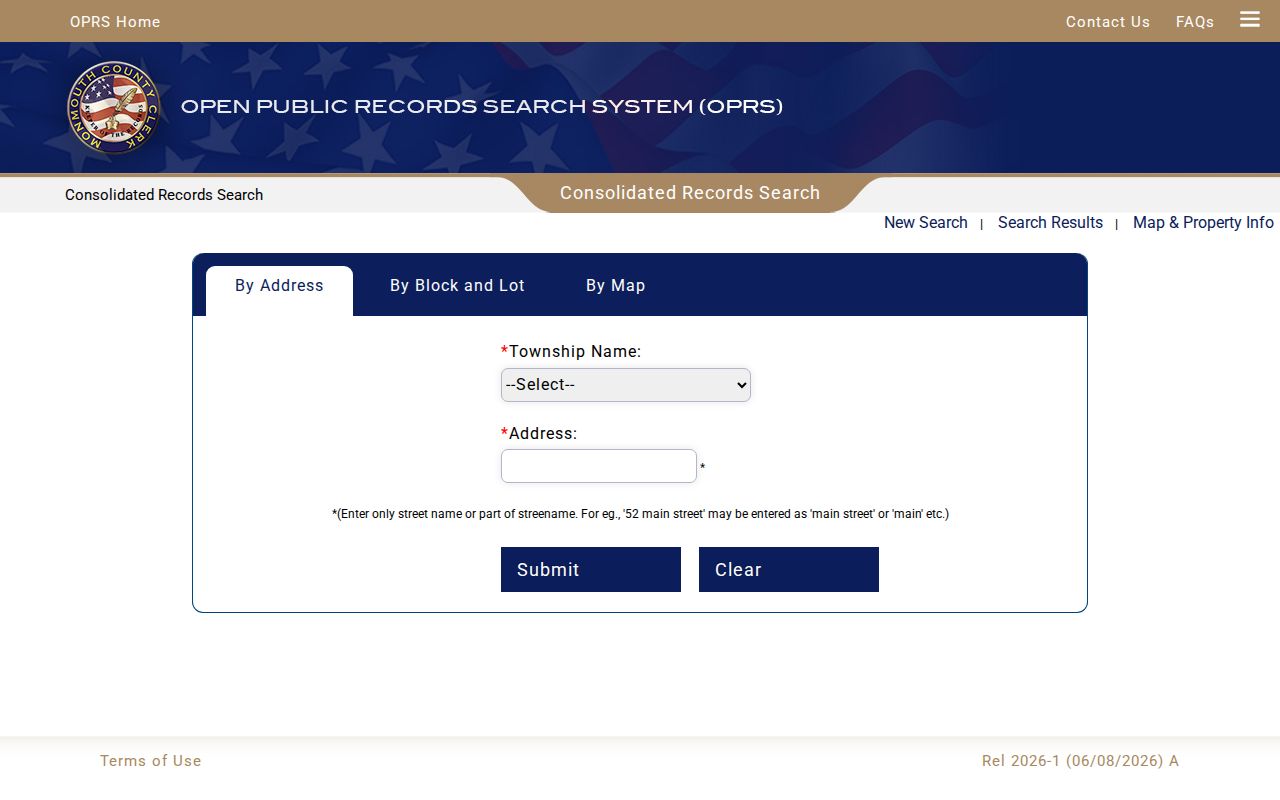
That interface supports a Wall residents directory search by parcel facts. Follow it with a dated check in the recorder index or a historical source.
Wall Deed Names and Dates
Monmouth County Clerk OPRS is the deed-index route for a name or parcel trail. The name search accepts last name or company name. It also takes first name, document type, date range, and the percent wildcard examples explained in OPRS help. The document-type path uses municipality, document type, and a date range capped at 90 days. The instrument-number search is different. It requires the instrument, book number, and page number. These are recorded-interest searches. A grantor or grantee is not automatically a Wall resident.
The county's online notice describes deeds from January 1, 1970 forward. Mortgages date from 1976. IRS lien material starts in 2010, and other published records run from October 1996. Earlier trail work shifts to the Clerk's in-person title-search counter and microfilm. County or state archives and FamilySearch also hold older material. OPRS itself cautions that its online data is informational and not a title search. Use the OPRS deed-index search to pick the route that matches the fact already known.
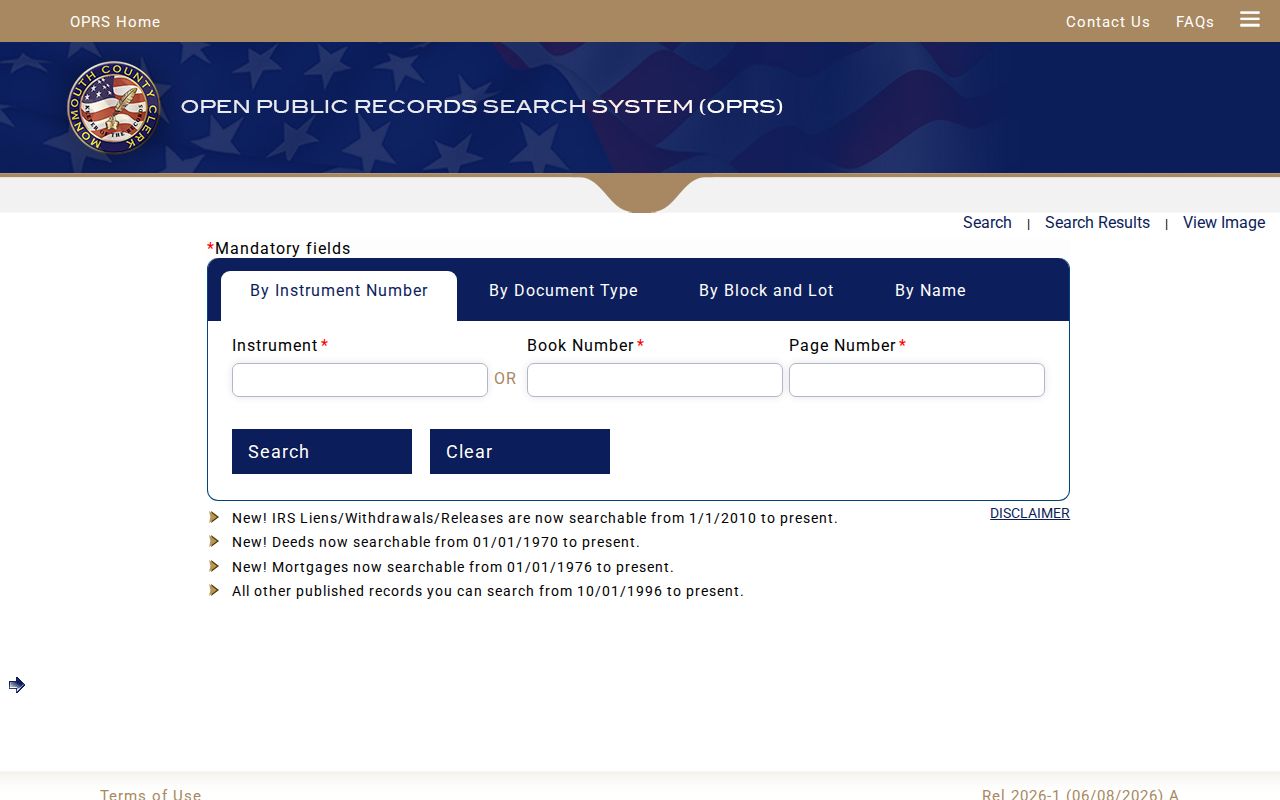
A useful result log lists instrument number, book, page, recording date, document type, municipality, grantor, grantee, and the exact search mode used. Keep the log dated.
Wall Voter Match Limits
The New Jersey registration check is a narrow, current civic-record route. Official guidance says exact spelling, date of birth, city, and county can all matter to a match. Exact spelling alone may not be enough. An inactive status can follow an undeliverable sample ballot or a move. An empty or unexpected result deserves a date. It also deserves a follow-up with the proper election office. It does not deserve an assumption about a Wall resident.
New Jersey election materials describe voter-list fields. These include name, address, party, ward, and district, subject to statutory exclusions. Ballot signatures and protected personal fields are not ordinary results. Monmouth's Superintendent of Elections maintains the county voter records. Wall's voting-district map gives useful geographic orientation, but it is not a household roster. The registration-check screen links straight to the current service.
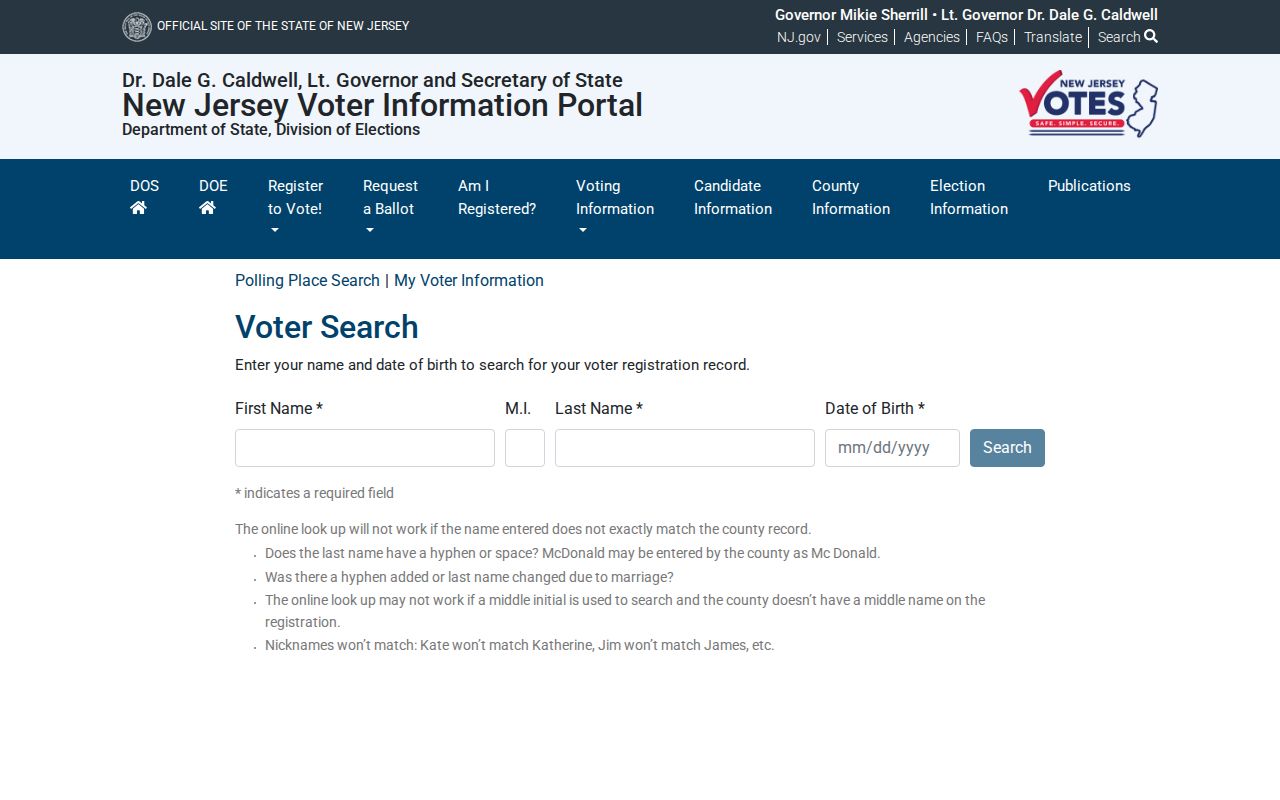
Compare any lawful registration clue with a dated property, directory, or archival record first. Only then describe a person's connection to Wall.
Current Wall Resident Records
A current Wall residents directory pulls from many separate systems. Each record answers a different question. The assessor ties a parcel to an owner of record. The county GIS viewer shows parcel shapes and neighboring lots. A deed index lists the parties to a recorded instrument. Voter, court, vital, license, and business files each serve one narrow purpose. Libraries and obituaries supply historical evidence rather than current data. Label every result to match its source. That label may mean registered voter, case party, owner of record, or directory entry.
| Wall record route | What it can confirm | Custodian | Access path |
|---|---|---|---|
| Tax list and OPRS property search | Current owner, situs, mailing address, assessment, block and lot | Wall Assessor / Monmouth County | Office books and online search |
| OPRS land records | Recorded instrument parties, dates, book/page, and images where available | Monmouth County Clerk | Online index and Clerk counter |
| Voter registration | Lawful registration and district clue, subject to exclusions | New Jersey / Monmouth elections | Registration check and prescribed list route |
| Court case index | Case party, venue, docket, caption, and initiation date | New Jersey Courts / Wall Municipal Court | State search and records request |
| Historical collections | Dated locality, household, obituary, census, or directory clue | Library, MCHA, Archives, State Archives | Digital, in-library, appointment, or archive route |
A single name hit proves little. A careful Wall resident lookup matches two independent records that carry the same date, so the answer rests on more than one source.
Wall Court and Vital Trails
Court research in Wall starts with the New Jersey Courts public-search hub. The hub splits its routes by case type: civil, foreclosure, criminal, judgment liens, and Tax Court. The public Case Jacket guide walks through party-name and docket searches. It also explains the result columns. These cover name, venue, docket number, case caption, and the date the case began. Wall Municipal Court runs its own request route for a local disposition. The instructions are direct. A raised-seal copy costs $10. A no-seal copy costs $5. The request must identify the case, docket, or ticket. Keep perspective on what a hit means. A court entry records an event. It does not settle a Wall residence or prove an identity. The statewide portal also never guarantees that sealed, expunged, family, or restricted files are viewable. The court search screen shows where the statewide trail begins.
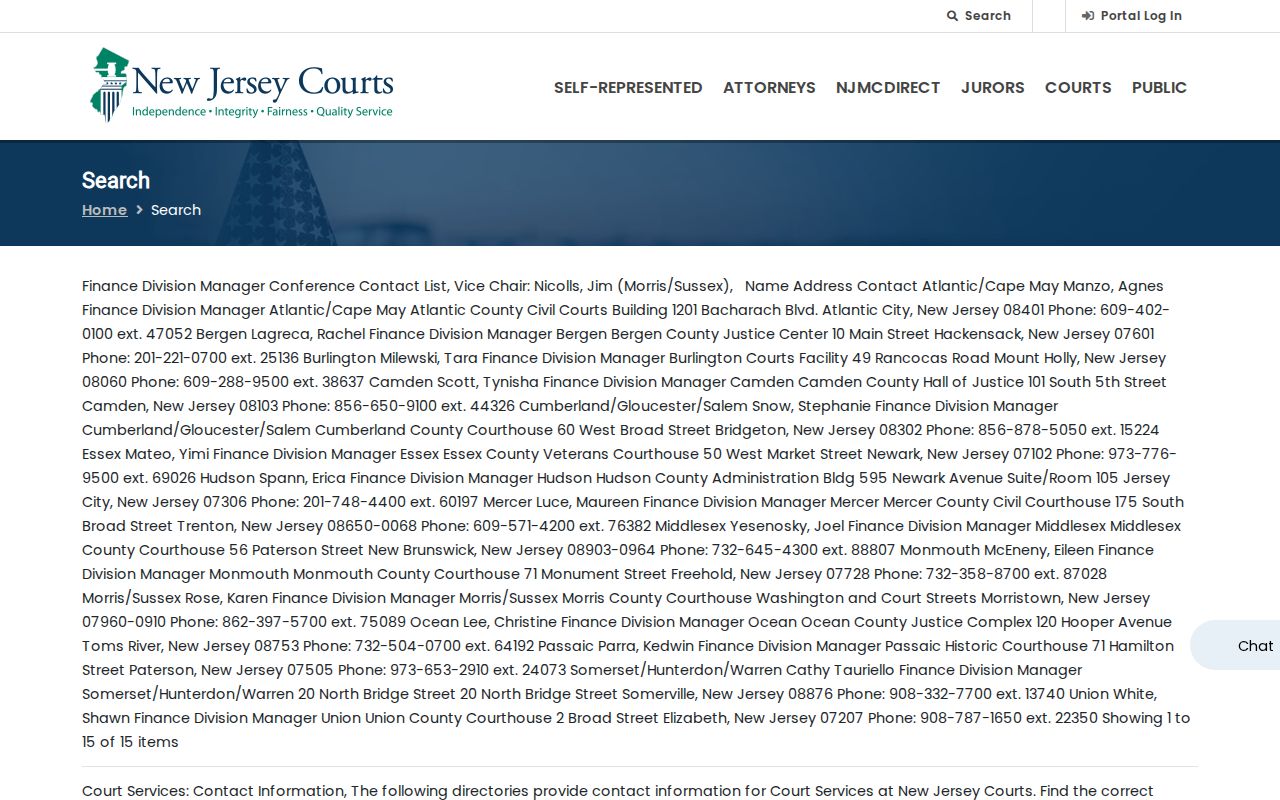
Write down the venue, docket, caption, and dates first. If the index alone falls short, ask the responsible clerk for a permitted copy. Vital events follow a different path. Wall's Registrar handles local certified copies and marriage information. For statewide ordering, the New Jersey Department of Health vital-record route publishes the instructions. The state separates a certified copy from a plain-paper certification. Relationship, ID, and age-of-record rules apply. Some records are restricted transactions. Births within 80 years or during the person's life fall under this rule. Marriages within 50 years and deaths within 40 years do too, as do all civil-union or domestic-partnership records. The state ordering page is the official channel, not an uncontrolled personal-data source.
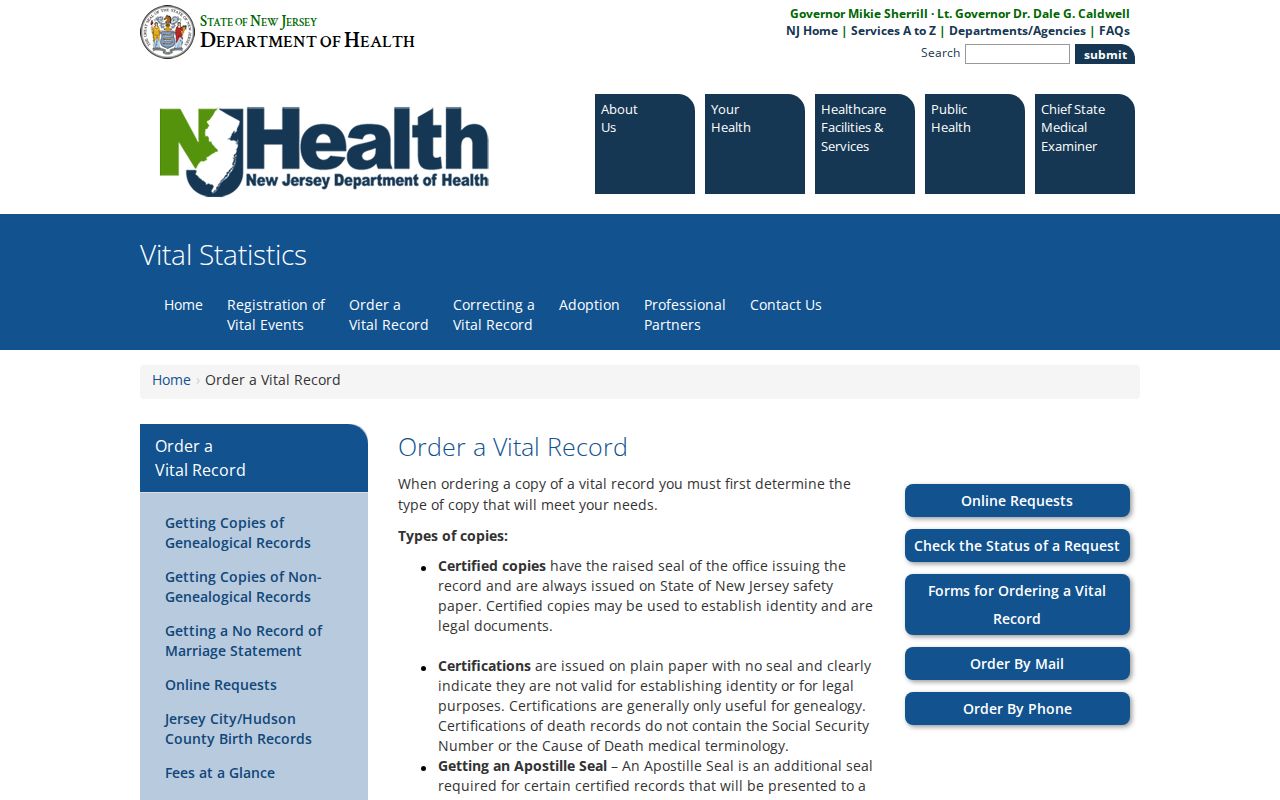
Put four facts together: the event municipality, the event date, the copy type, and the eligibility rules. A postal ZIP never decides which registrar holds a Wall event.
Wall ZIPs and Locality Names
Wall never got a single tidy postal identity. Monmouth County lists the township under 07719, yet official Wall license records carry 07753, 08736, and 08750 at Wall addresses too. A 2007 township newsletter put it plainly: Wall had no ZIP of its own and borrowed from neighbors, including Neptune 07753. Copy addresses exactly as the source printed them. That old borrowing habit makes modern cleanup risky.
Localities matter just as much as numbers. Allaire, Allenwood, Glendola, New Bedford, Shark River, and West Belmar all appear in Wall records as place names. Search each historic street directory under the locality as printed. Then confirm jurisdiction through the township, county, parcel, and date fields. For current delivery, the USPS lookup decides. The assessor settles the tax situs question.
Wall Offline Record Routes
A dead portal is not a dead end in Wall. The Wall Municipal Clerk handles township OPRA requests directly. Police records go through the township's stated police-records email. County Clerk deed copies move through the counter, a letter, or email. You must supply an owner, address, lot and block, book and page, or instrument number. The county also warns against overpriced deed-copy solicitations and steers requesters to its legitimate channels.
Offline options run deeper. The Historical Room at Monmouth County Library is secured and mostly non-circulating. Librarians are on hand to assist research use. MCHA works by appointment and offers a small search, up to five records, for $10. Broader genealogy work runs at $35 an hour. County Archives, the Surrogate, and the New Jersey State Archives each hold different historical material. So a missing online result still has a fallback chain.
Wall's OPRA information page identifies the local request procedure.
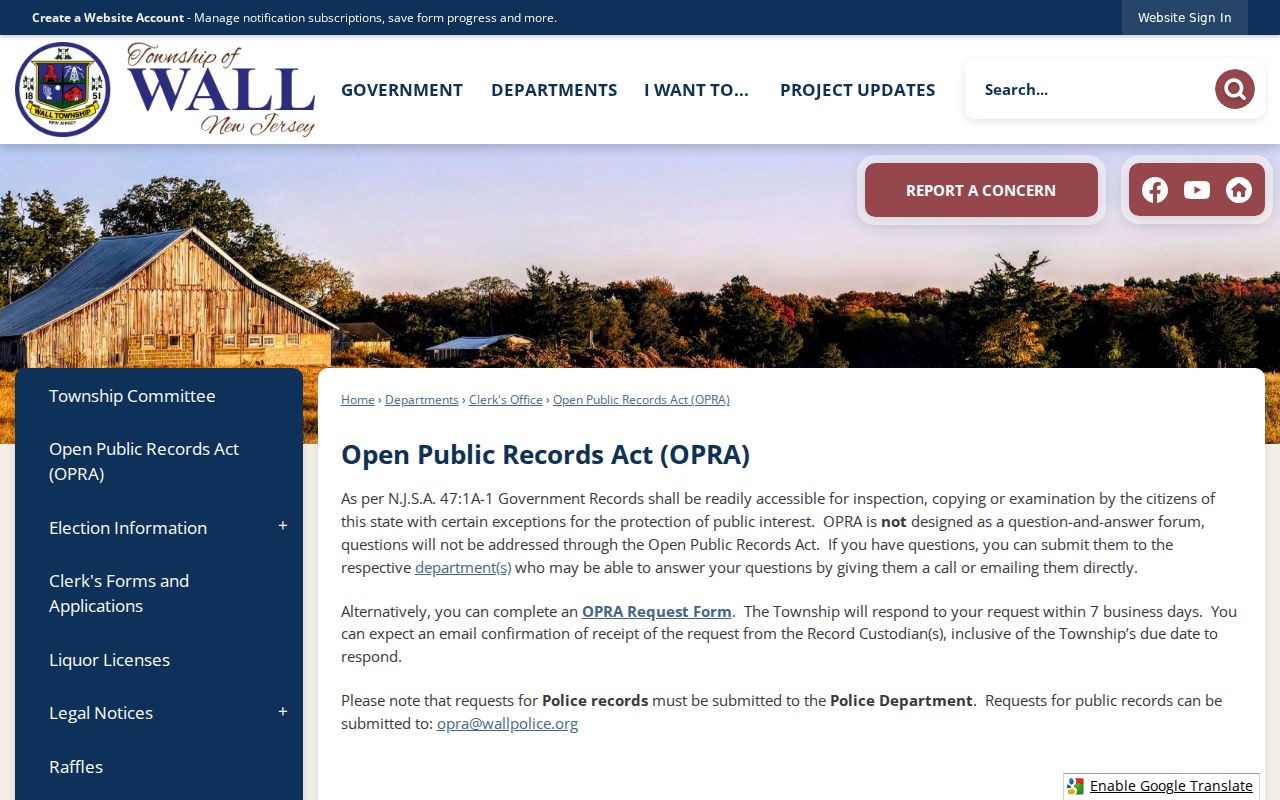
A strong request names an existing record, the likely custodian, a date range, and an acceptable format. OPRA is not a question-and-answer service.
Wall Census and Estate Leads
Older Wall research depends on records that bridge past an index cutoff. Monmouth Archives offers a searchable 1875 census route plus marriage returns from 1684 to 1892. The county's estate collection spans 1739 to 1924. It holds receipts, inventories, vendue lists, creditor material, appraisals, taxes, business accounts, and occasional letters. The Monmouth Surrogate handles modern estate administration. Its online Index of Estates states coverage from 1991 to the present.
MCHA widens the net with obituaries, church and cemetery sources, tax ratables, censuses, manuscripts, and historic maps. A deed grantor who vanishes from the next index may resurface in an estate, an obituary, a tax-ratable entry, or a directory. Each source answers a different time question. Keep the source and year beside every result you save.
Wall Redactions and Blank Fields
New Jersey puts real limits on public access. Daniel's Law can shield covered home addresses and unpublished phone numbers. Safe at Home gives eligible participants a substitute address with mail forwarding. OPRA adds its own exemptions. These cover Social Security numbers, unlisted telephone numbers, driver-license information, signatures, and more. Recent vital records, certain voter fields, and sealed or expunged court material face separate restrictions. The same rules apply in Wall as everywhere else in the state.
So a blank parcel owner field in a Wall residents directory result may reflect a lawful redaction. Daniel's Law may be the reason. It is not an invitation to rebuild a protected address from other pages. Use these records only for personal, lawful research. Protect sensitive details, and never use a lookup result to stalk, harass, or harm anyone.
Note: An open index does not authorize copying every personal field into a new list.
Wall Records Answer Different Questions
Each Wall record type answers a different question. A street directory entry, a parcel owner line, and a court caption capture different relationships at different moments. Read a result for what it actually records. Stretching an old listing into a claim about present residence is where directory research goes wrong, especially when a printed volume, an owner mailing address, and a case caption all show the same name at different dates.
| Record | Strongest finding | Key limit |
|---|---|---|
| Deed index | Recorded transfer or interest on its recording date | Does not establish move-in or occupancy |
| Property search | Current owner, parcel, situs, and mailing fields | Owner and mailing address may differ from resident |
| Voter record | Lawful registration clue at the result date | Can be inactive, protected, or not current occupancy |
| Directory or obituary | Dated person, locality, household, or family clue | Historical evidence, not a current contact record |
Keep a short source log for any Wall residents directory search. Record the URL, search mode, spelling, date range, access date, result identifier, and any redaction or coverage note. That habit makes a later recheck possible when a dynamic portal or map layer changes.
Wall Historical Directory Shelves
Historical city directories give Wall a dated people-and-place layer. Current property tools simply cannot match it. Located Monmouth runs include J.H. Lant in 1875; Boyd's county volumes for 1898-99, 1900-01, and 1904-05; a 1914 Farm and Business Directory; and New Jersey Historical Society microfilm through 1920-21. Red Bank Public Library's DigiFind-It archive holds a digitized regional set. It covers 23 directory items spanning 1899 through 1981. Full holdings, access rules, and entry-reading guidance live on the Wall city directory page.
The DigiFind-It city-directory collection lets you pick a year and open individual scans directly.
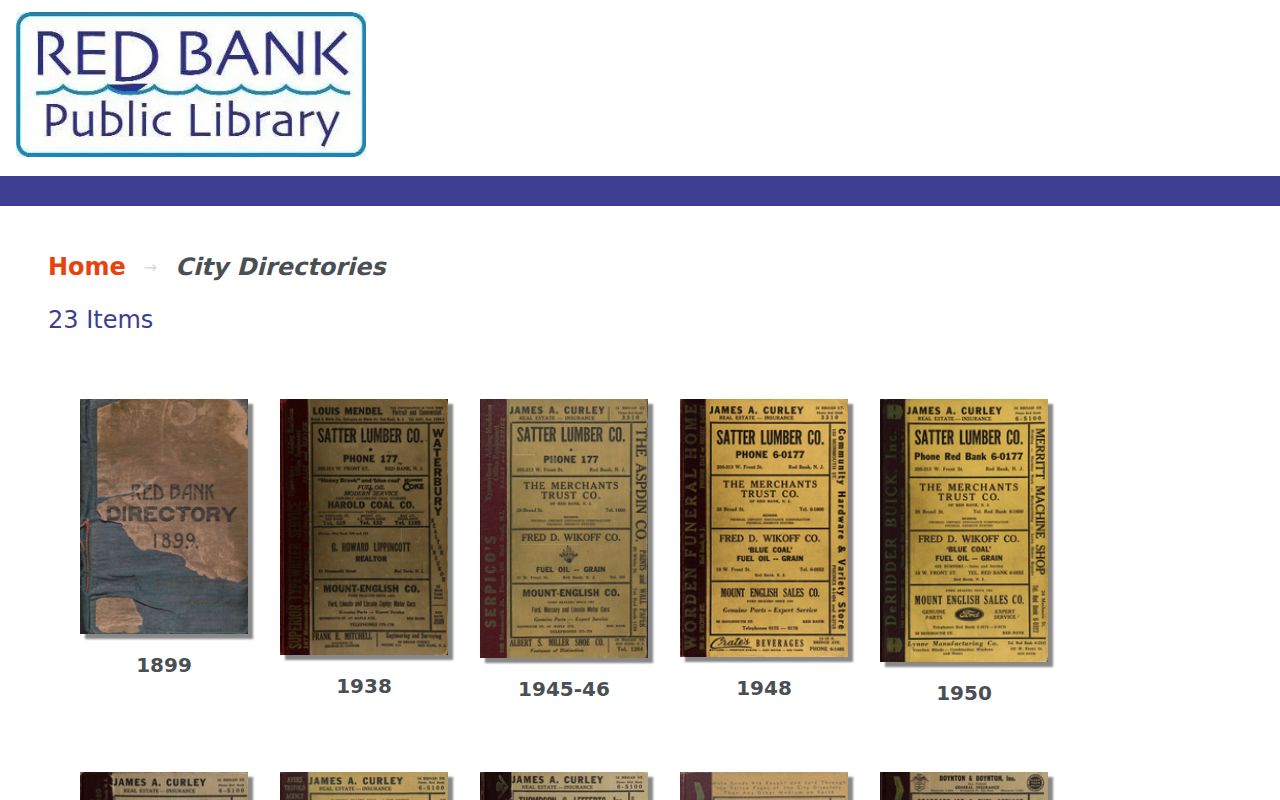
Pick a year and keep the locality heading exactly as printed. That wording anchors the entry to its time and place. A directory can identify a subscriber or a business. It can also point to a head of household. But it is not a guaranteed current occupant. For the Monmouth runs, the New Jersey Historical Society microfilm listing offers another repository route. It is worth checking alongside the digitized sets.
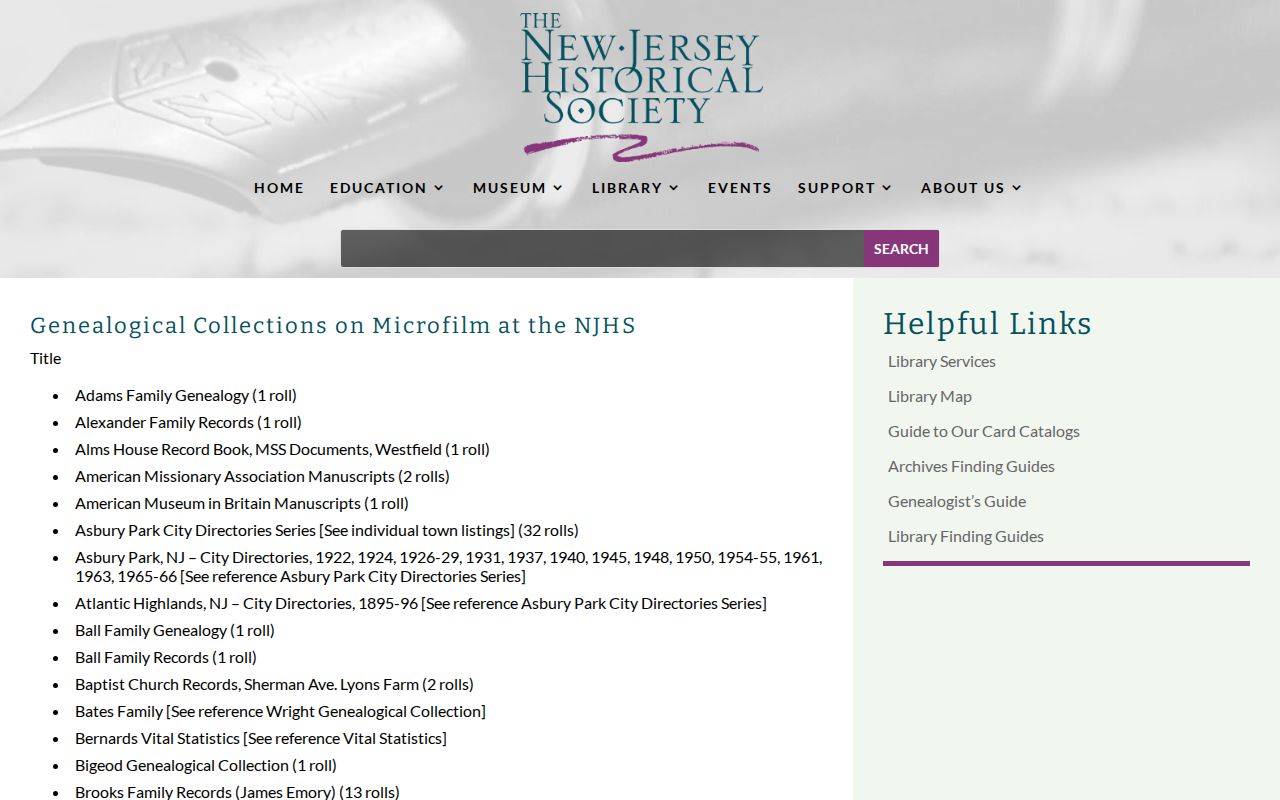
Pair a directory year with a census enumeration and a deed recording date. That yields three distinct clocks: a printed time slice, a household snapshot, and a property transaction.
- Parcel
- A tax and mapping unit, usually identified by block and lot, rather than proof of a household.
- Index
- A finding tool that points to a record; it may not include the underlying image or every related document.
- Grantor and grantee
- The transferor and the recipient of a recorded property interest.
- Criss-cross directory
- An address-organized directory that can help connect a past street entry with an individual listing.